Rome Criteria for Irritable Bowel Syndrome Diagnosis
IBS is a physical - not psychological - disorder that affects mainly the bowel, and is characterized by lower abdominal pain (mild to severe, there is a spectrum), diarrhea, constipation (or alternating diarrhea/constipation), gas, bloating, and nausea. (See what an IBS attack literally looks like.)
Because IBS is not a disease, but a condition wherein your gastrocolic reflex goes awry, diagnosis depends in part on determining whether or not your symptoms match those that have been medically established as definitive of Irritable Bowel Syndrome.
The Rome V Criteria, last updated in 2026, are the current standard for this definition.
The Rome diagnostic criteria of Irritable Bowel Syndrome require the absence of a structural or biochemical explanation for the symptoms. The diagnosis should be made only by a physician.
Interview with Heather Van Vorous ~ Irritable Bowel Syndrome: The Importance of Diagnosis
Irritable Bowel Syndrome (IBS) can be diagnosed using the updated
Rome V Criteria. The criteria require recurrent, but not continuous,
abdominal pain or abdominal discomfort on average at least
3 days per month during the previous 3 months, with symptoms
beginning at least 6 months before diagnosis.
The abdominal pain or discomfort must be associated with 2 or more
of the following:
Related to defecation, such as improving or worsening with a bowel movement;
A change in stool frequency, such as going more often or less often than usual;
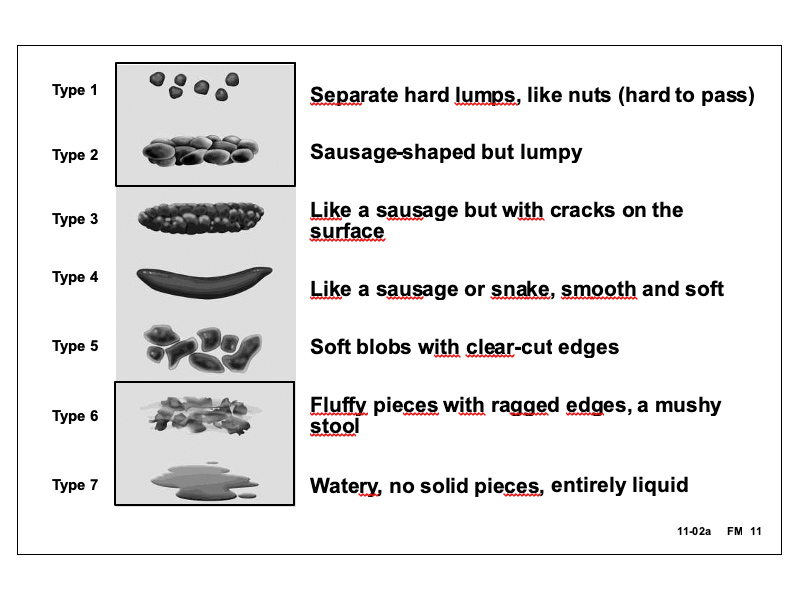
A change in stool form, such as harder, lumpier, looser, or more watery stools.
Symptoms That Commonly Support an IBS Diagnosis:
Abnormal stool frequency, such as fewer than 3 bowel movements per week or more than 3 bowel movements per day;
Abnormal stool form, including lumpy/hard stools or loose/watery stools;
Abnormal stool passage, such as straining, urgency, or feeling that a bowel movement is incomplete;
Passing mucus with a bowel movement;
Abdominal bloating, fullness, pressure, or visible distension.
Supportive Symptoms of IBS:
Fewer than 3 bowel movements a week;
More than 3 bowel movements a day;
Hard or lumpy stools;
Loose, mushy, or watery stools;
Straining during a bowel movement;
Urgency, or having to rush to have a bowel movement;
Feeling of incomplete evacuation after a bowel movement;
Passing mucus, which may look like white or clear material, during a bowel movement;
Abdominal fullness, bloating, swelling, pressure, or distension.
Red Flag Symptoms That Are NOT Typical of IBS:
Pain that regularly awakens you from sleep or interferes with sleep;
Diarrhea that regularly awakens you from sleep or interferes with sleep;
Blood in the stool, either visible or found on testing;
Unexplained weight loss;
Fever;
Persistent vomiting;
Difficulty swallowing;
Iron deficiency anemia or other abnormal blood tests;
New bowel symptoms beginning after age 50;
A family history of colorectal cancer, inflammatory bowel disease, or celiac disease;
An abnormal physical examination.
If you have red flag symptoms, or if your symptoms are new, severe, worsening, or unusual for you,
please see a healthcare provider. IBS is a real disorder of gut-brain interaction, but it should be
diagnosed after appropriate evaluation to rule out other conditions.
Once you have a firm IBS diagnosis, take heart. While there is no cure yet, there are many ways to successfully manage - and prevent - all IBS symptoms. You can control your IBS, not vice versa.


 Page
Page